
Data Science
Propensity to Buy
How can raw data be transformed into accurate predictions of purchasing behavior? The Propensity to Buy model represents the gold standard of data monetization, but its success stands or falls on the chosen architecture. In this article, we will explore the technical background of implementation in Microsoft Fabric and Azure environments. Learn how to leverage Data Lakehouse principles, advanced machine learning, and generative AI to identify customers with the highest potential—and how to orchestrate it all in a modern, scalable infrastructure.

Data Science and Digital Transformation
Today, digital transformation is not primarily about purchasing new technologies, but about a company’s ability to leverage data as a strategic asset. Data science, advanced analytics, and AI are transforming management—from consolidating data into a “single source of truth” and implementing governance, through predictive models for managing demand, inventory, and churn, to the creation of new data products such as recommendation systems, personalization, and dynamic pricing. However, the real impact extends beyond IT: a fundamental cultural shift toward data-driven decision-making, cross-functional collaboration, and agile experimentation is essential to measurably increase efficiency and ROI.
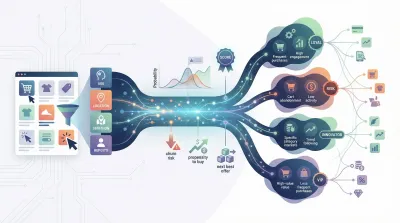
Advanced Segmentation in E-commerce
Advanced segmentation in e-commerce takes targeting beyond demographics and focuses on what customers actually do: how they shop, what they respond to, and when they’re ready to convert. By combining behavioral data with predictive models (RFM, propensity to buy, churn risk, Next Best Offer, LTV), you gain segments that can be used for personalization, more efficient budget management, and frequency and channel control. The result is more relevant campaigns, higher conversion rates, and a sustainably better ROI without unnecessary “shooting in the dark.”